Announcing ACCOBAMS New Executive Secretary
Starting in January 2025, the ACCOBAMS Secretariat will proudly welcome Maÿlis Salivas as the new Executive Secretary. We’re excited for this new chapter and the continued efforts towards cetacean conservation under her leadership!
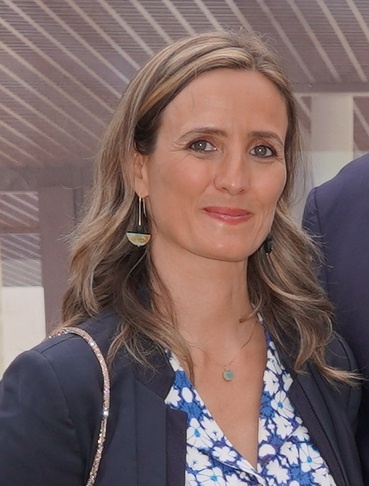 Maÿlis SALIVAS brings over 15 years of expertise in marine biodiversity conservation to her role as the new Executive Secretary of ACCOBAMS. Holding a PhD in Population Biology with a specialization in Marine Ecology, she has developed a strong background in environmental monitoring and coastal ecosystem assessment. She has been working in the ACCOBAMS Secretariat since 2010 as Project & Programme Officer and has played a key role in coordinating important conservation initiatives and collaborating with national governments, international organizations, and other key stakeholders. Maylis SALIVAS is dedicated to enhancing regional cooperation, advancing scientific research, and ensuring the sustainable conservation of cetaceans across the Black Sea, Mediterranean, and Atlantic regions. With her strategic leadership and deep commitment, she looks forward to guide ACCOBAMS into its next phase of impactful collaboration and conservation.