
THE ACCOBAMS SURVEY INITIATIVE II (ASI-II)
A New Step Toward Coordinated Cetacean Conservation
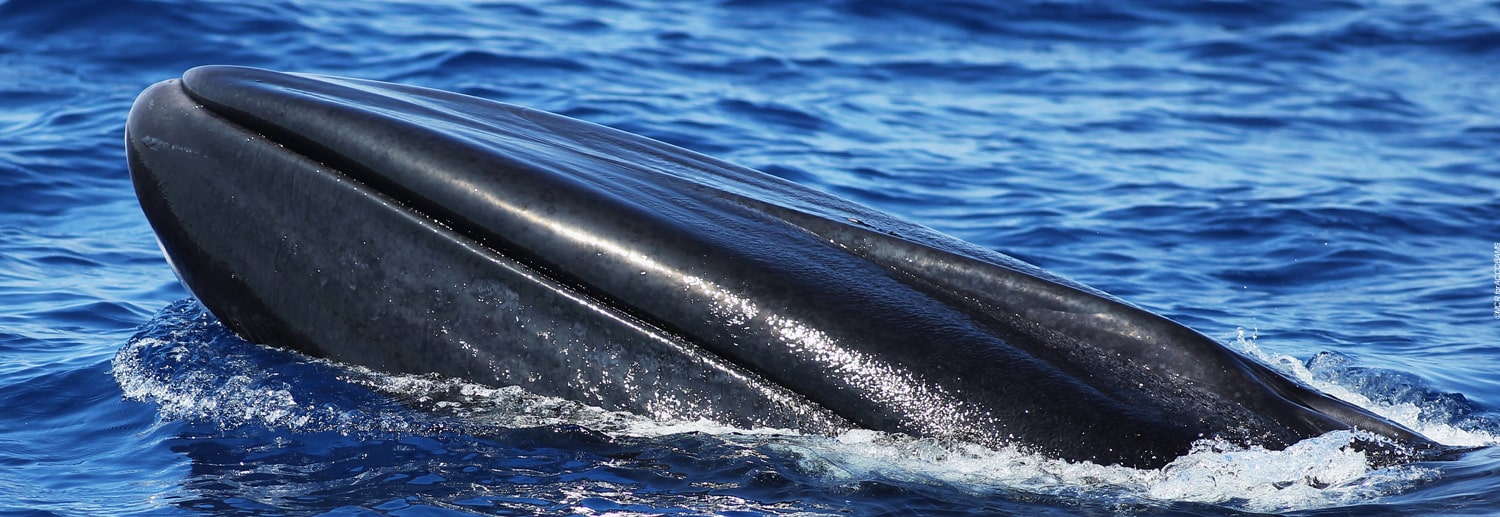
Building on the success of the first ACCOBAMS Survey Initiative (ASI-I), ASI-II marks a new phase in the coordinated, science-based monitoring of cetaceans and marine megafauna across the ACCOBAMS region.
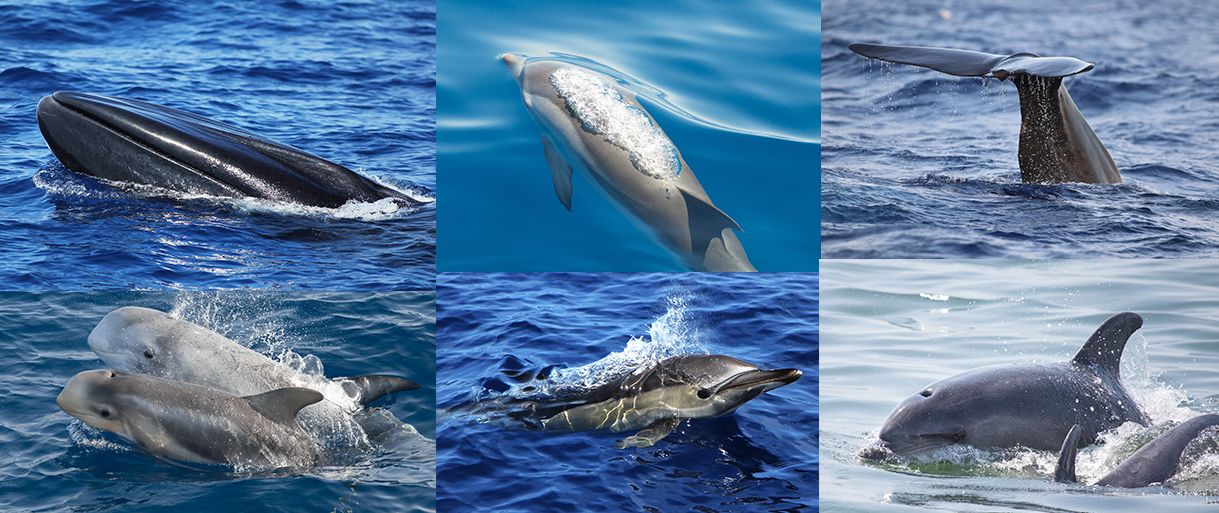
Conducted between 2018 and 2023, ASI-I was the first large-scale, synoptic survey of cetaceans in the Mediterranean and Black Seas. Combining aerial and vessel-based observations with passive acoustic monitoring, it produced an unprecedented dataset on species distribution and abundance, while also documenting key human pressures such as marine litter and maritime traffic.
The data collected have played a pivotal role in marine conservation efforts. They contributed to updates of the IUCN Red List for several cetacean species, supported the identification of Important Marine Mammal Areas (IMMAs), and informed the designation of the Particularly Sensitive Sea Area (PSSA) in the north-western Mediterranean by the International Maritime Organization. ASI-I findings also supported implementation of international and regional policy frameworks, including the EU Marine Strategy Framework Directive (MSFD) and the ecosystem-based approach under UNEP/MAP.
Now, ASI-II aims to update and expand this scientific baseline to track population trends, evaluate Good Environmental Status (GES), and support marine spatial planning and conservation strategies. Scheduled for summer 2026, the next Mediterranean survey will form a core component of the ACCOBAMS Long-Term Monitoring Programme (LTMP), adopted by the Parties in 2022.
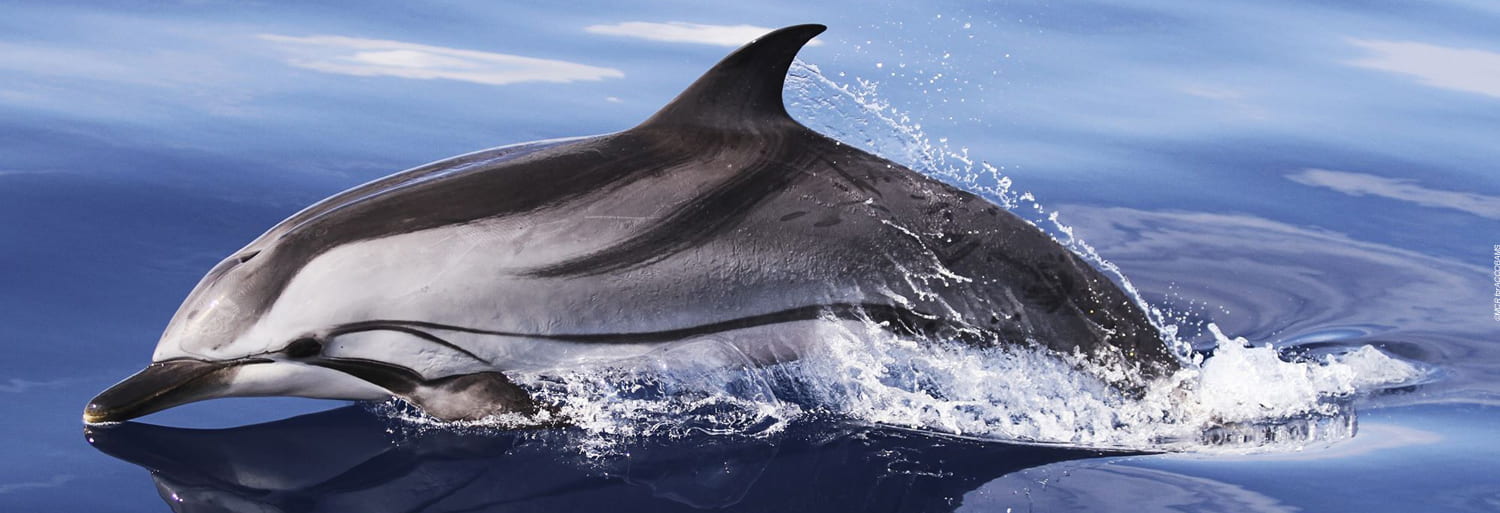
© MCR for ACCOBAMS
Launching ASI-II at UNOC3: A Renewed Commitment
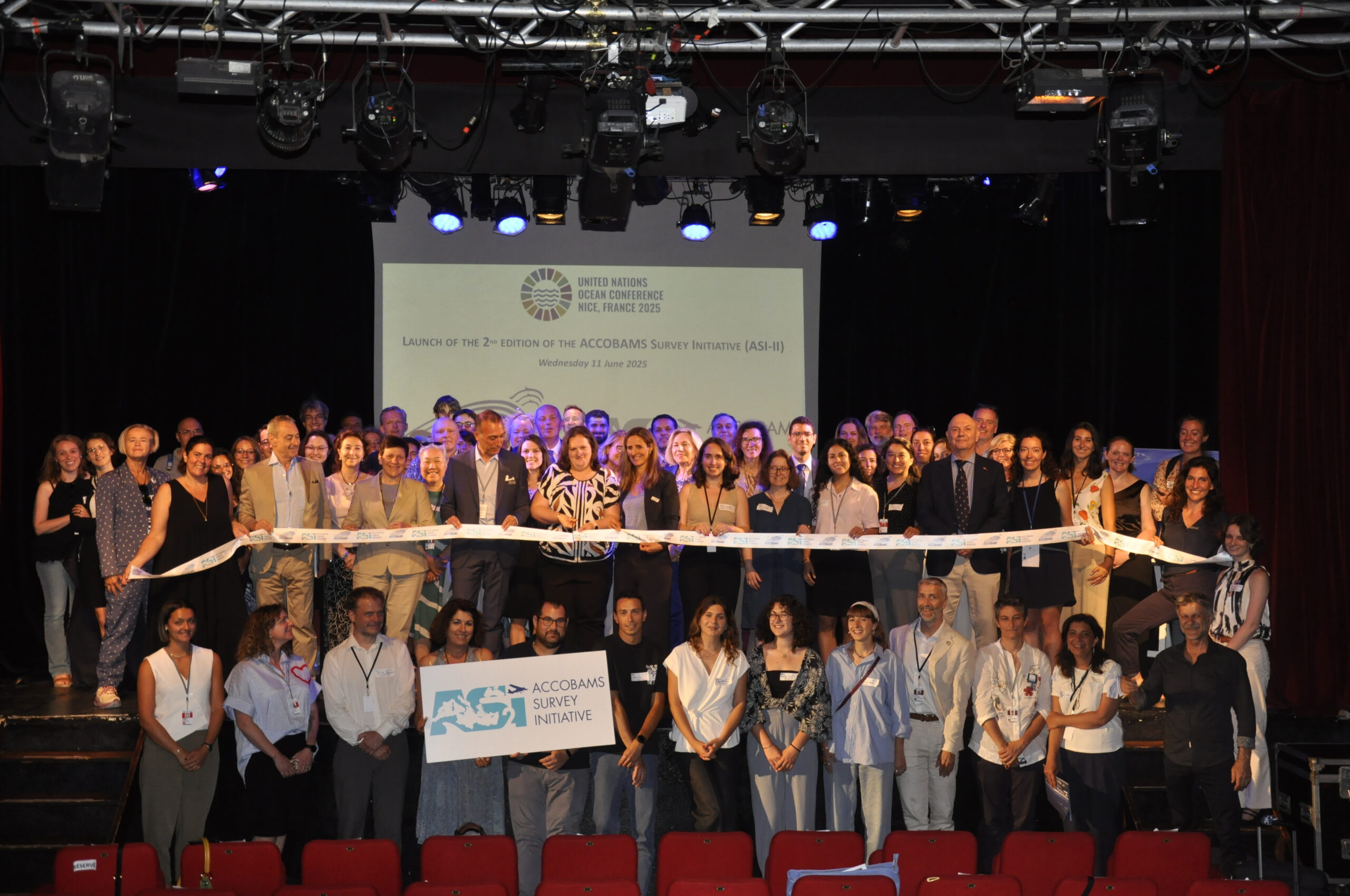
The second edition of the ACCOBAMS Survey Initiative was officially launched in June 2025 during a side event of the Third United Nations Ocean Conference (UNOC3). Hosted at the Théâtre de la Cité in Nice, the event brought together government representatives, international organisations, marine conservation experts, and regional partners from across the Mediterranean and Black Sea. Their strong expressions of support reaffirmed a collective commitment to ASI-II and underscored the shared ambition to advance long-term, collaborative, and science-based conservation across the region.
Link to the ASI-II side-event photos
Objectives and Scope of ASI-II
In response to global conservation goals—including the UNOC3 outcomes, the Convention on Biological Diversity’s (CBD) 30×30 target, and the EU’s objective of 10% strict marine protection—ASI-II is designed to serve multiple regional and international frameworks, such as the Barcelona and Bucharest Conventions and EU Directives.
ASI-II aims to deliver lasting impact in Mediterranean marine conservation by:
♦ Generating updated, multi-species scientific data through basin-wide aerial and vessel-based surveys, focusing on the distribution, abundance, threats, and habitats of cetaceans and other marine megafauna (e.g., sea turtles, seabirds, large pelagic fish) and their threats (ex. Floating marine Litter)
♦ Strengthening regional capacity by training national and local scientists, especially from southern and eastern Mediterranean countries, during survey operations.
♦ Informing policy and conservation action by translating scientific findings into spatial management tools, such as updated IMMAs, improved MPA management, fisheries and bycatch mitigation planning, and contributions to IMO measures.
♦ Raising awareness and fostering engagement through targeted outreach initiatives and educational activities, using cetaceans as flagship species to spotlight challenges like unsustainable fisheries, underwater noise, and maritime traffic.
♦ Enhancing national commitments to marine biodiversity monitoring and conservation, by supporting countries in meeting their obligations
♦ Promoting more inclusive and adaptive conservation by enabling the design and implementation of effective Marine Protected Areas (MPAs) and Other Effective Conservation Measures (OECMs).
♦ Reinforcing regional governance by fostering multi-stakeholder cooperation under the ACCOBAMS framework and aligning with other regional bodies such as UNEP/MAP and the GFCM.
Coordination and Next Steps
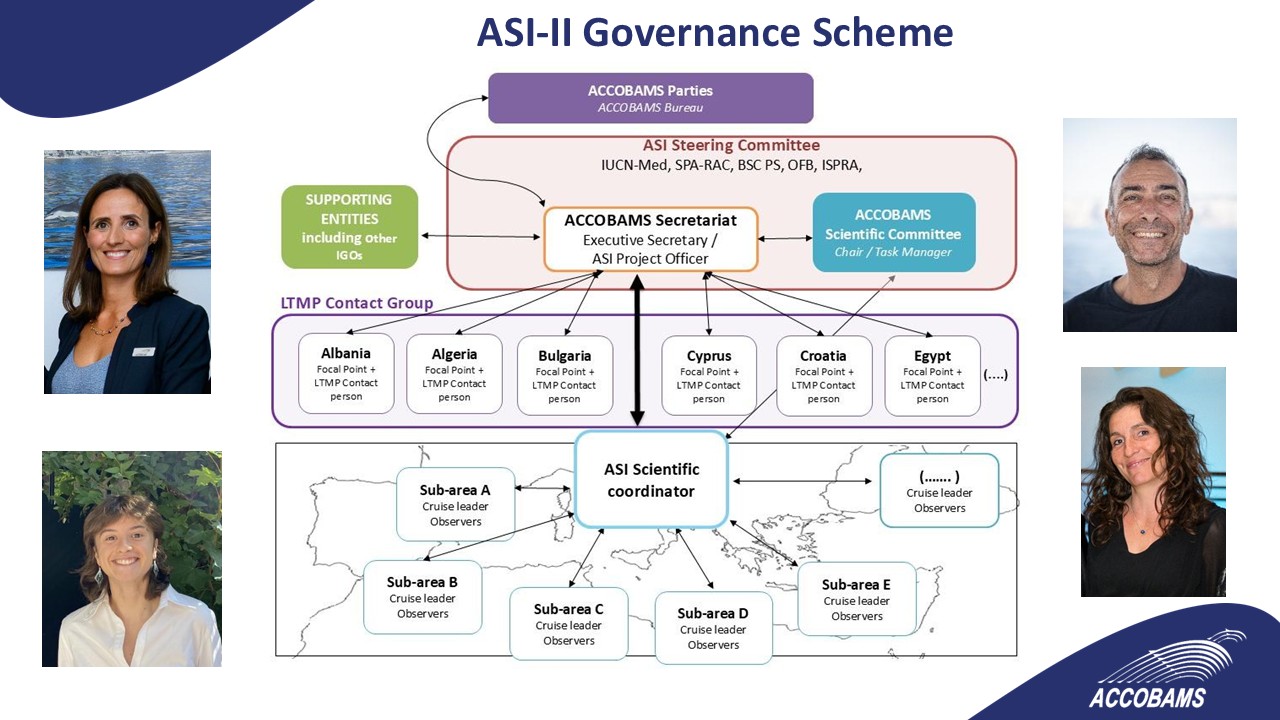
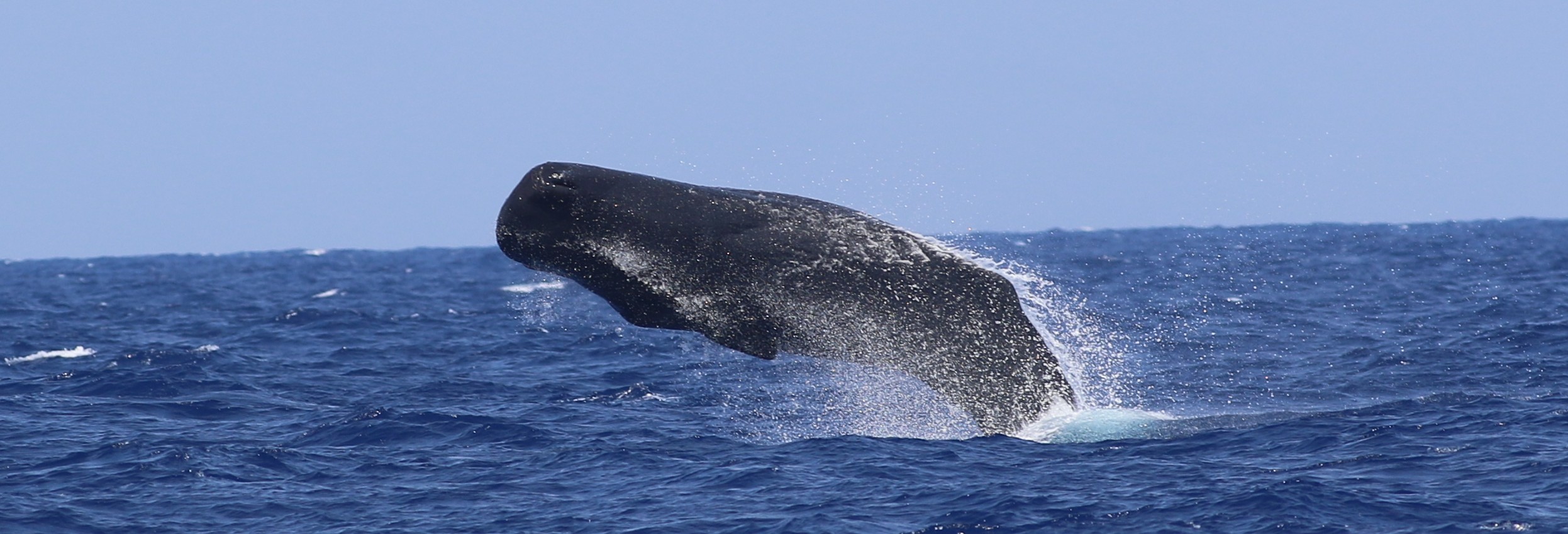
ASI-II is coordinated by the ACCOBAMS Secretariat, with guidance from the ASI Steering Committee, the LTMP Contact Group, and the ACCOBAMS Scientific Committee. Preparations are ongoing for the large-scale synoptic survey scheduled in the Mediterranean for summer 2026. National teams and scientific experts from across the ACCOBAMS region are being mobilised to ensure inclusive, high-quality data collection.
Additionally, a feasibility study will be carried out to assess the potential for conducting a similar survey in the Black Sea in 2027, further extending the geographic reach and impact of the initiative.
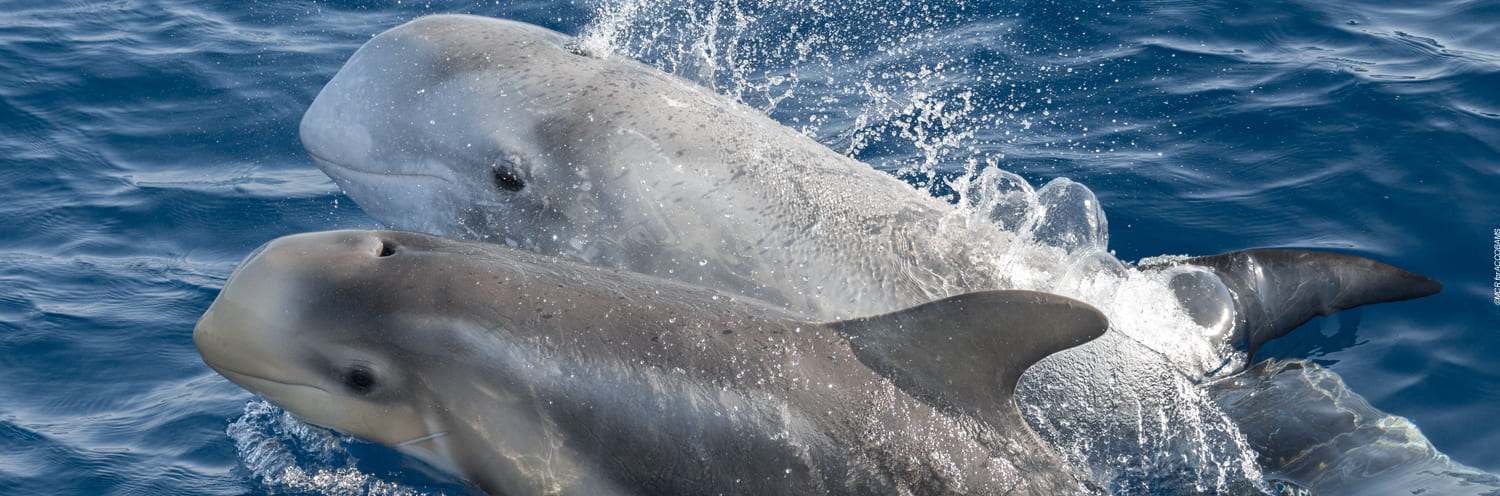
 © MCR for ACCOBAMS
ASI-II partners and governance structure:
 ASI-II is implemented thanks to the financial and institutional support of several international and national partners
– The Agreement on the Conservation of Cetaceans of the Black Sea, Mediterranean Sea and contiguous Atlantic area (ACCOBAMS) is a legal conservation tool based on cooperation. Its purpose is to reduce threats to cetaceans notably by improving current knowledge on these animals. The ACCOBAMS Secretariat acts as the leader and coordinator of the ASI-II project.
– The “Office français de la Biodiversité” (OFB). The OFB is a public institution established in 2020 to protect and restore biodiversity across France.
– The European Union. The European Union is supporting this project through the European Maritime, Fisheries and Aquaculture Fund (FEAMPA), as part of the French programme implemented with the support of FranceAgriMer and the Office français de la Biodiversité (OFB).
– The Republic of Bulgaria, through the Ministry of Environment and Water (MoEW), responsible for developing and implementing the State environmental policy.
– The Principality of Monaco supports ASI-II through the Department of External Relations and Cooperation. This support forms part of the Prince’s Government’s long-standing commitment to marine conservation and multilateral environmental action.
– The US Navy’s Marine Species Monitoring Programme provides financial support to the ASI-II project through HDR Environmental, Operations and Construction, Inc., as part of its activities to monitor marine mammals and other large marine vertebrates.
ASI-II is also implemented through national contribution including:
– Italy’s contribution to the European Union’s Marine Strategy Framework Directive (MSFD)
– The Istituto Superiore per la Protezione e la Ricerca Ambientale (ISPRA) is the national environmental agency under the oversight and policy guidance of the Italian Ministry of Environment and Energy Security.
– The LIFE MareNatura project, co-funded by the European Union, aims to mitigate the threats that affect nine of the most threatened EU priority species of seabirds, marine turtles and marine mammals
Technical implementation of ASI-II relies on external contractors providing specialized services, including,
– Pixair Surveys
– Aerial Banners
– Marine Conservation Research (MCR) International
– NCC (Nature Conservation Consultants) Ltd.
– The Observatoire PELAGIS (La Rochelle University/CNRS)
– The University of Haïfa
The implementation of ASI-II is based on a governance structure